The Silent Altitudes: Slow Travel across the Swiss Valleys
By Editorial Desk • 6 min read • Updated June 2025
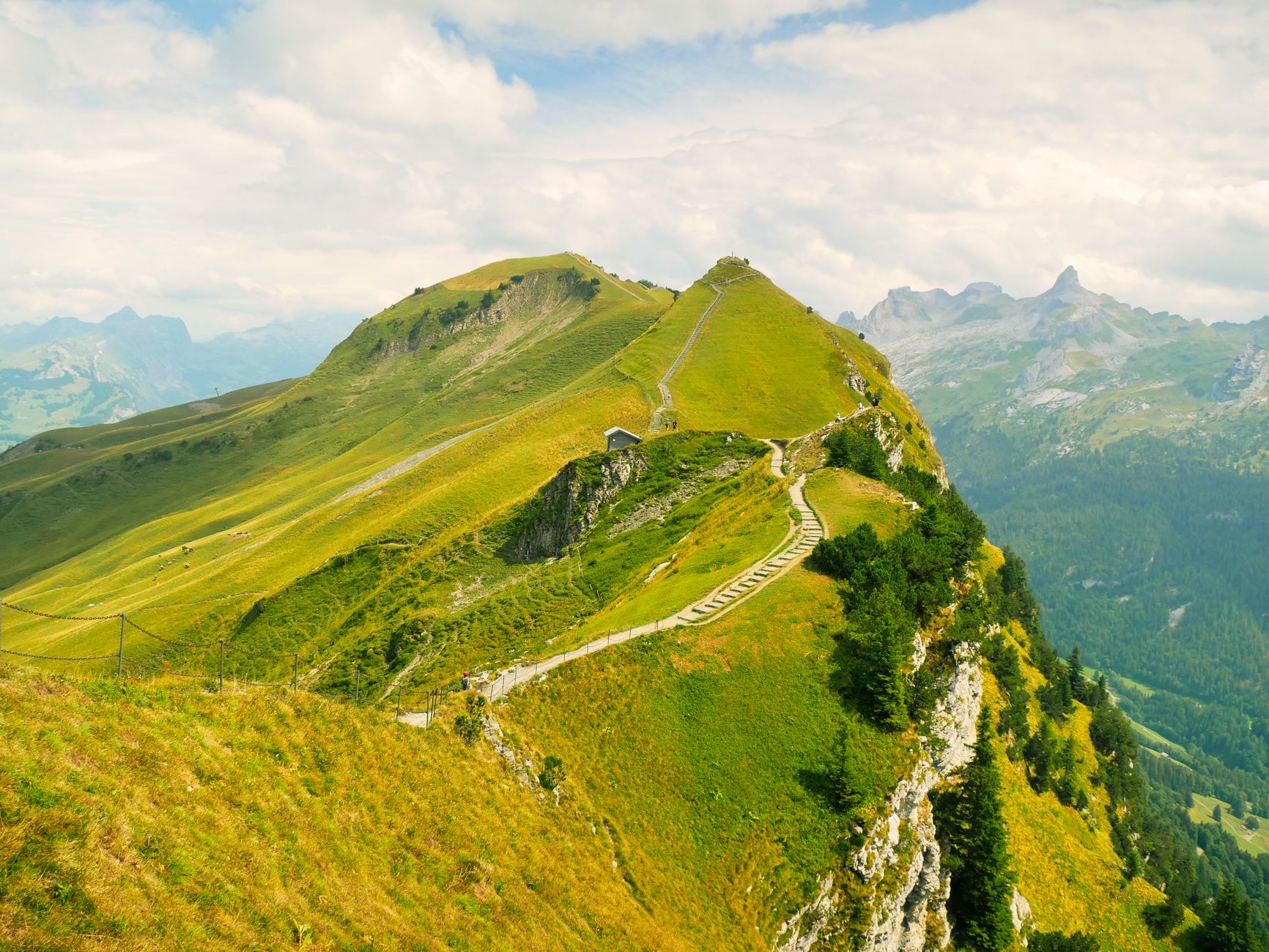
"At two thousand meters, sound transforms. The rumble of daily convenience evaporates, leaving only the clinking of cow bells, wind in larch needles, and the crisp crunch of granite gravel underfoot."
1. The Geometry of Isolation
Switzerland's high valleys possess an architectural precision that mirrors their natural topography. In the smaller hamlets of the Grisons, century-old timber storehouses sit alongside understated contemporary concrete retreats, each constructed with extreme weather resilience in mind.
Here, vehicular access ceases. Visitors arrive via cogwheel train or foot, shifting immediately into a cadence governed by sunrise, fog drift, and the departure of the evening post bus.
2. Sustaining the Mountain Craft
Culinary life in these valleys is rooted in patience. From raw milk cheeses aged in stone cellars to dark rye sourdough baked in communal wood ovens, the table is a testament to mountain frugality transformed into quiet luxury.
Travelers who choose to remain three or four nights rather than hasty single-day visits find themselves invited into conversations with woodcarvers, botanists, and hut keepers whose families have tended the slopes for three centuries.
Curate your high alpine journey
Receive our private route notes and suggested lodges for the Engadine.