Echoes of Cedar: Ryokan Aesthetics and Seasonal Living
By Editorial Desk • 8 min read • Updated May 2025
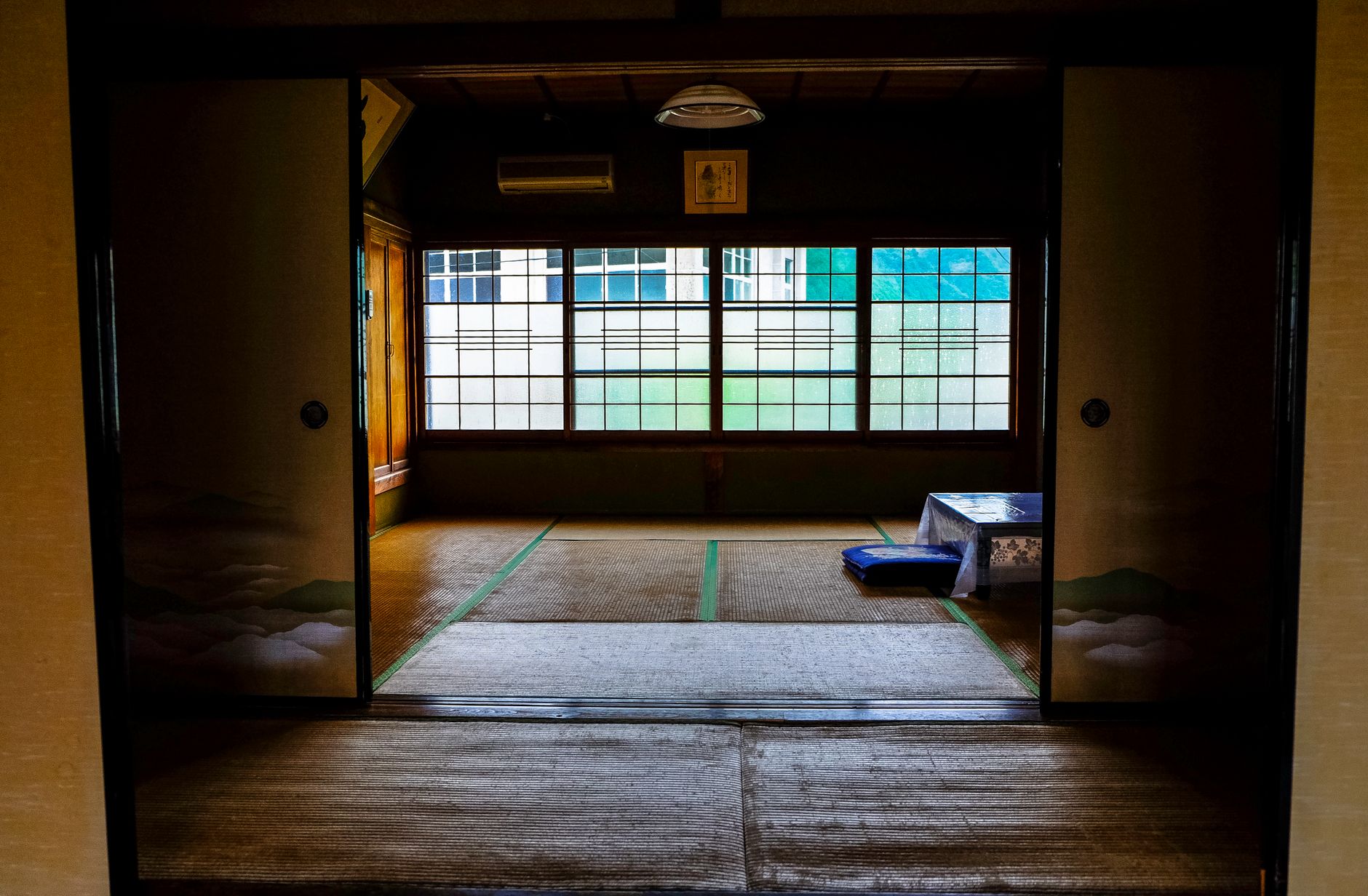
"The scent of igusa rush mats and untreated cedar immediately signals a departure from outer chaos into intentional presence."
1. The Choreography of Welcome
In the hills surrounding Kyoto, hospitality is not performed through overt fanfare. Instead, it unfolds through micro-attentions: the subtle angle of tea footwear, the placement of a seasonal iris in an unglazed ceramic vase, and the silent sliding of washi screens.
Entering a historic ryokan asks the visitor to shed their western urgency. Shoes are removed, cotton yukata donned, and the day slows to the rhythm of steam rising from cedar soaking tubs.
2. Kaiseki: A Landscape on Porcelain
Dinner in a traditional inn is an ephemeral geography lesson. Every small dish represents micro-seasons—bamboo shoots harvested at dawn, river trout grilled over binchotan charcoal, and mountain vegetables preserved in subtle vinegars.
111111 explores how modern hoteliers are safeguarding these culinary heritages while introducing contemporary thermal engineering that respects the delicate wooden frames of centuries past.
Looking for Kyoto seclusion?
Explore our curated collection of verified heritage ryokans.